
(A) 1.
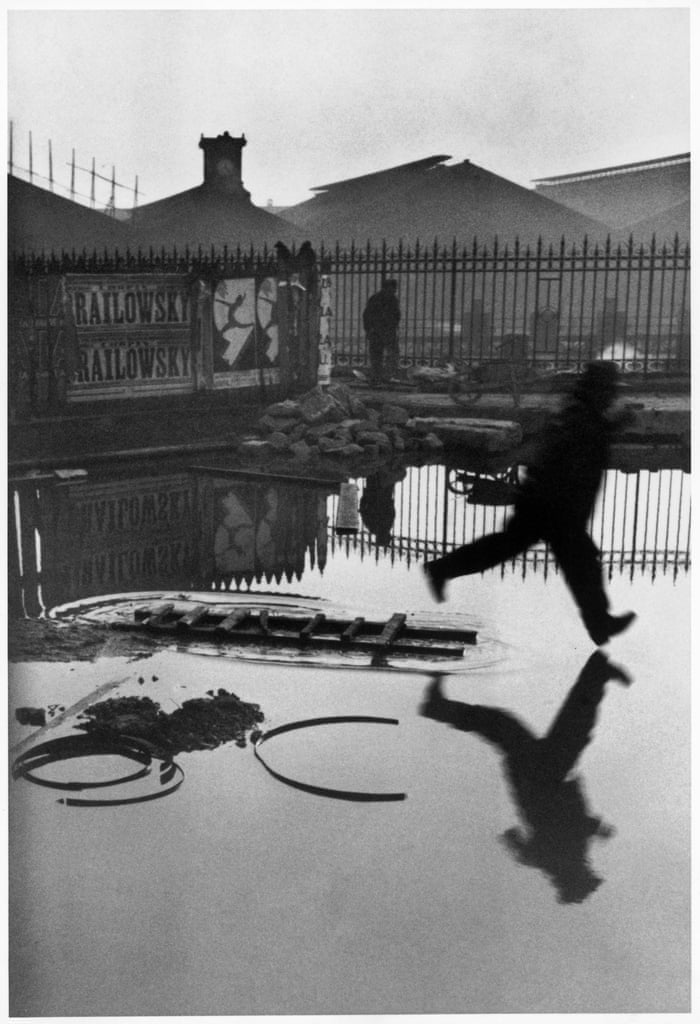
The decisive moment was a picture taken by Henri Cartier- Bresson. This photo portrayed what would happen to Europe in the war in the future.
2.

Robert Capa was a legendary photojournalist who was famous for taking photos of soldiers on the front lines during world war 2.
3.
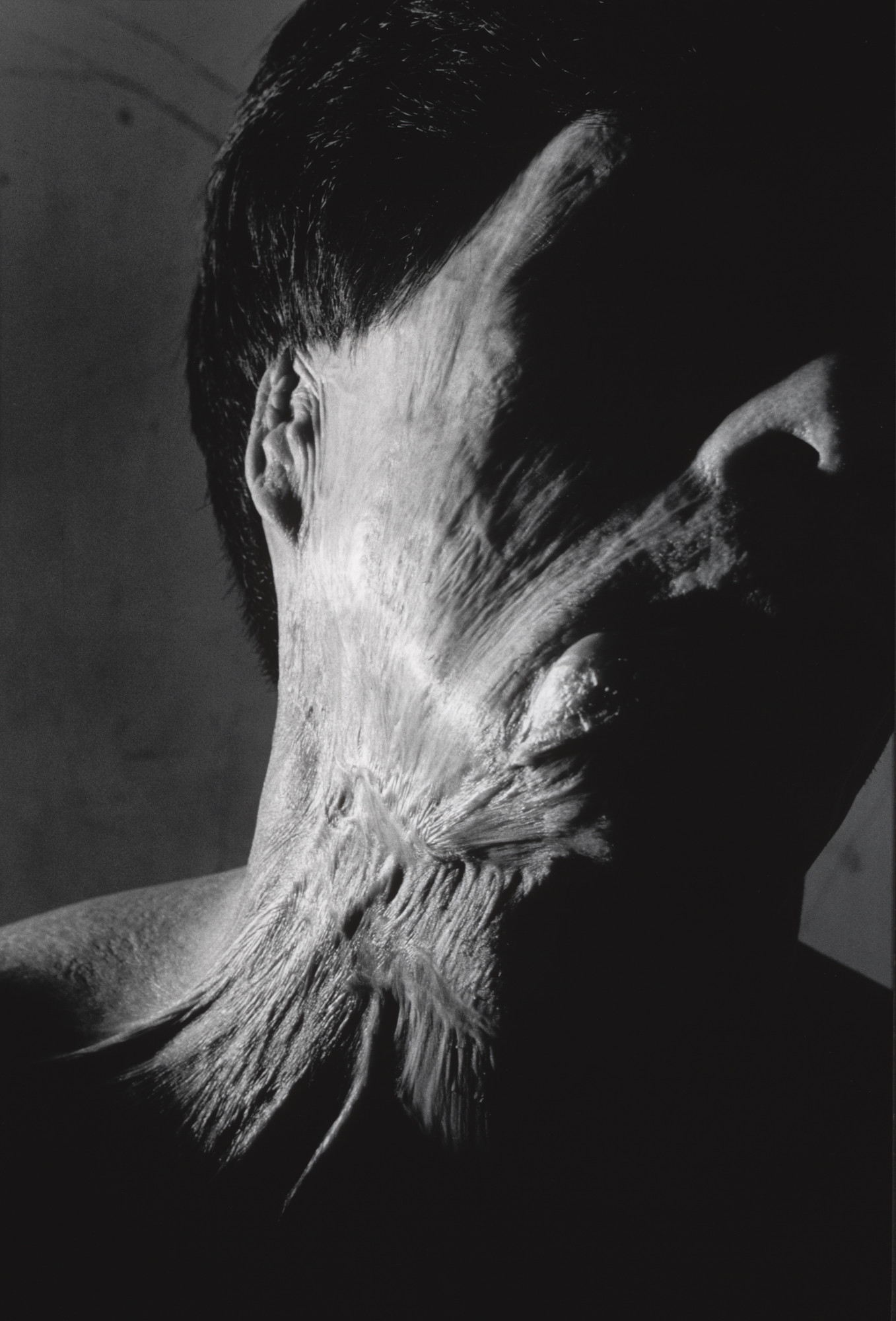
The representation of the hiroshima bombing was filtered down to not look as grotesque in western media but Japanese photographers took photos of burn victims of the bombings showing exactly what the bombs did.
4.

Magnum photos was formed in 1947 by Robert Capa, Henri Cartier- Bresson, George Roger and David Seamore. Magnum photos was created so photographers could take their own photos without the influences of magazines. Photographers also kept the copyright of their images.
(B)
- 99
- 14
- 8
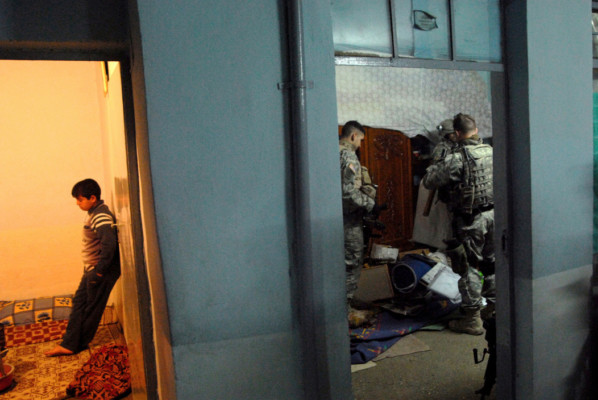
Peter van Agtmael captures eye opening images of soldiers at war and the people they effect around them. I Chose this photographer as I enjoy the truth in his photography. He doesn’t try to shield his audience of what he’s trying to convey instead he gives them a raw insight into the effects of war.
(C)
![Images of Africa in Western media often conform to racist colonial-era stereotypes about the continent, writes Jayawardane [Al Jazeera]](https://www.aljazeera.com/wp-content/uploads/2013/04/201341685941382734_20.jpeg?resize=570%2C380)
This article discusses the problems with photojournalism in Africa. The author of this article M Neelika Jayawardane begins her piece saying that she winces whenever Africa is the headline of any mainstream US or European media outlet. She explains that anytime Africa is mentioned it is followed by disappointment and resignation on Africa’s part. This article explores this and many other problems regarding the representation of photographers in Africa and the issues surrounding their depiction in western media. The biggest problem is the barriers local photographers face in getting attention from international news agencies. The author says that even today well regarded international news outlets choose photos and narratives that speak to ideas held by white ex-colonists and and plantation owners in America. Because of this the construction of the image of an African in people’s minds is still one of a child-like character who lacks intellect and whose home is one of savagery and devastation. Even though these top tier western media outlets want local people to photograph Africa to offset costs in their eyes the African photographers don’t compare to the western photographers. How are these African photographers supposed to branch out from their countries if they are constantly held to racist stereotypes created in media outlets on the other side of the world. Even influential news outlets such as the New York Times who published an article asking “Who is telling Africa’s stories” trying to raise awareness on photojournalism in Africa are subject to underlying racism. Months before publishing this story they published a story about African migrants who had attempted to cross the Mediterranean to reach Europe. Many of the migrants died and the survivors were described as “stepping over the dead on a migrant boat”. They wrote the story in a way that depicted the survivors as inhumane for attempting to reach safety. This culminates the problems surrounding photojournalism in Africa. Even a media outlet who is creating exposure for problems regarding photojournalism in Africa has underlying racism within it’s organsation.
(D)
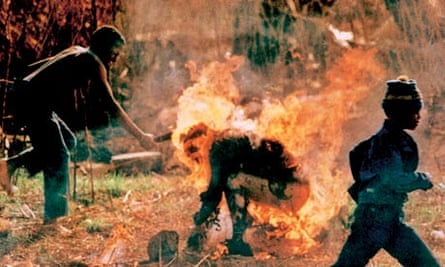
I chose this photo/story as I could feel the guilt this photographer felt when taking these photos. The words he uses accompanying the image creates an extremely evocative and clear image in my head. This story really impacted me greatly upon reading and made me feel like I witnessed it for myself
 CM206
CM206 