This project is inspired by my love for the nature right at my door, the sea. I spend a lot of my time at the sea but during the lockdown I have used it as a way to get away from the lockdown restrictions. The beach has been my only place of freedom during Covid-19 and it’s landscape has kept me positive during these times.
This group of photos were taken by me over the course of the lockdown restrictions. Each day I found new scenery or saw the beach in a new light which resulted in unique photographs.
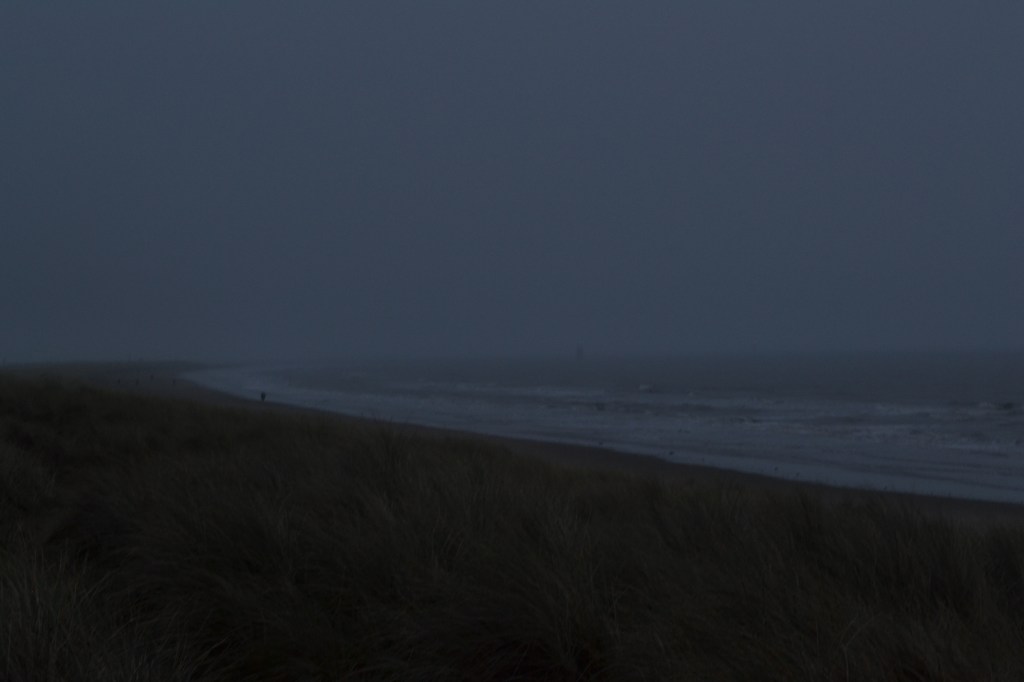
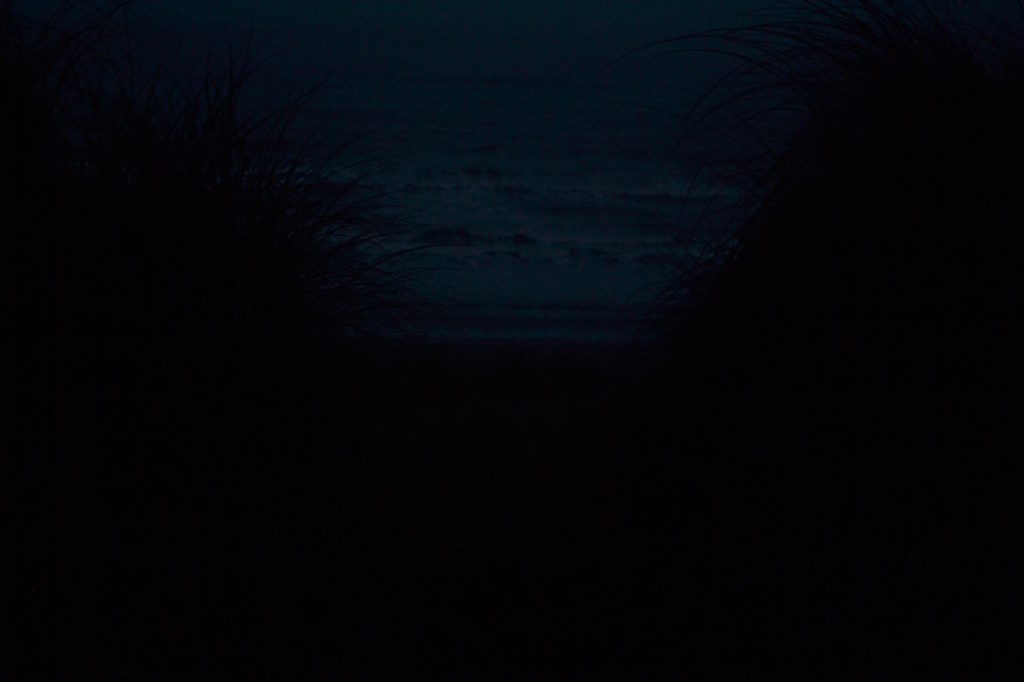
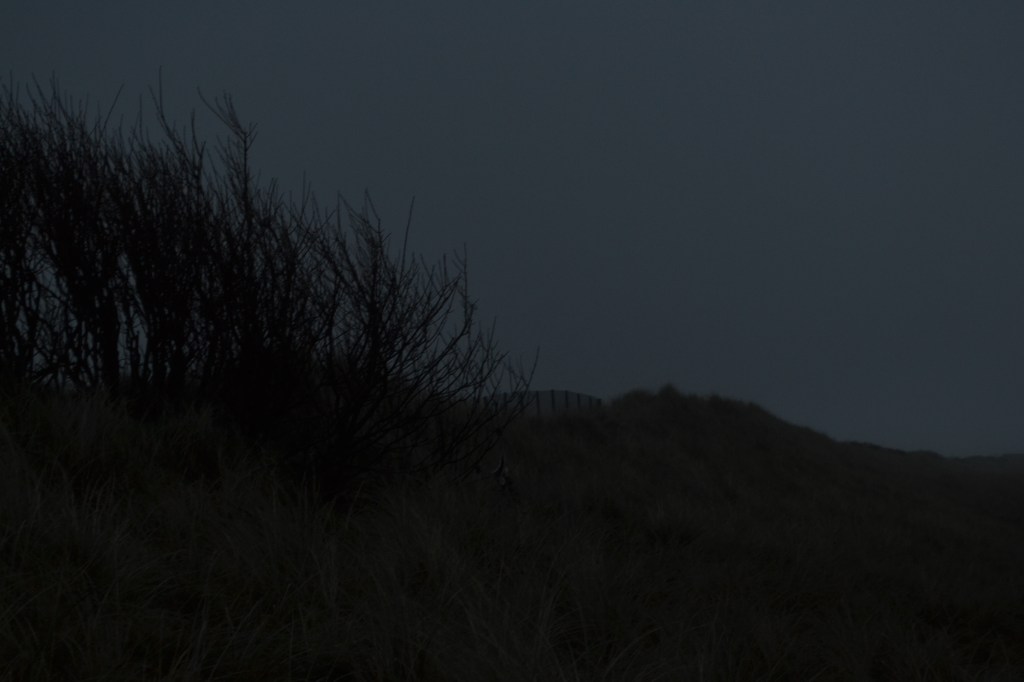
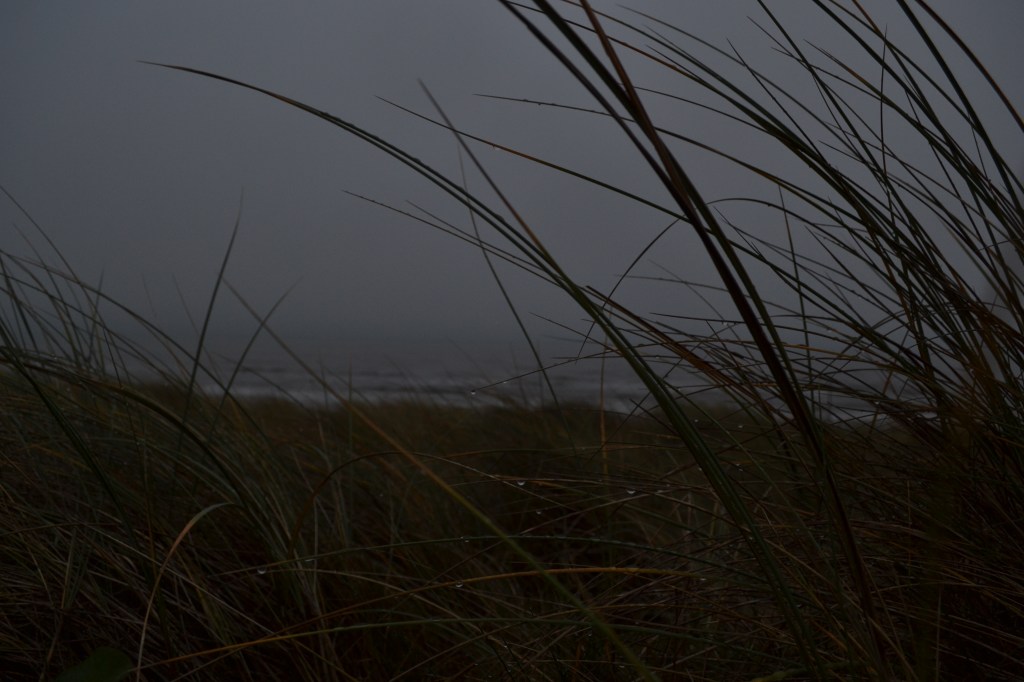
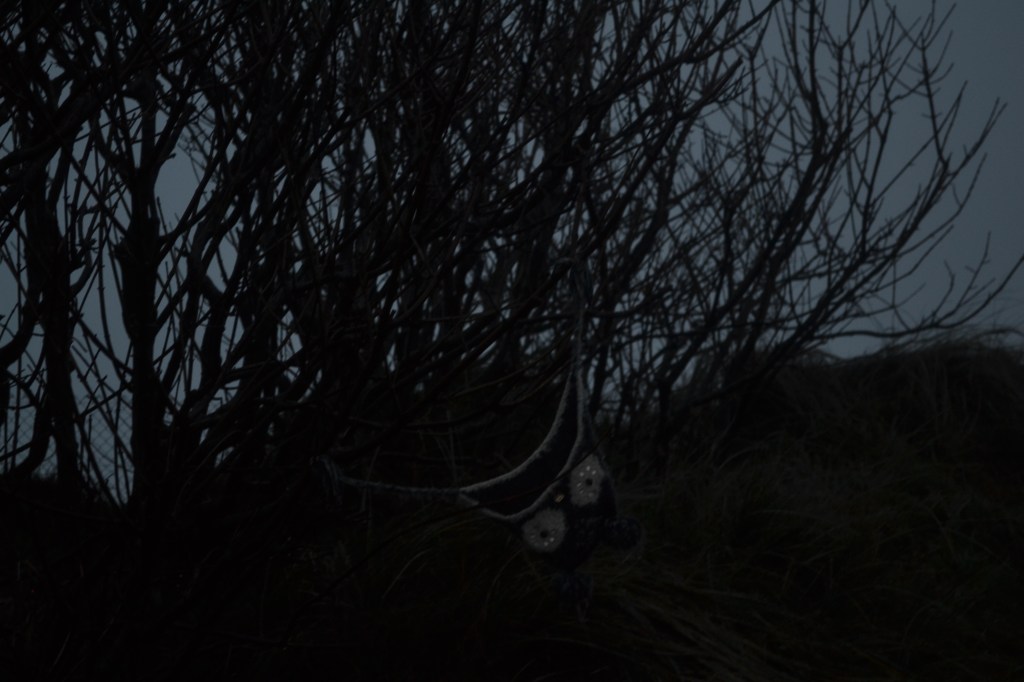
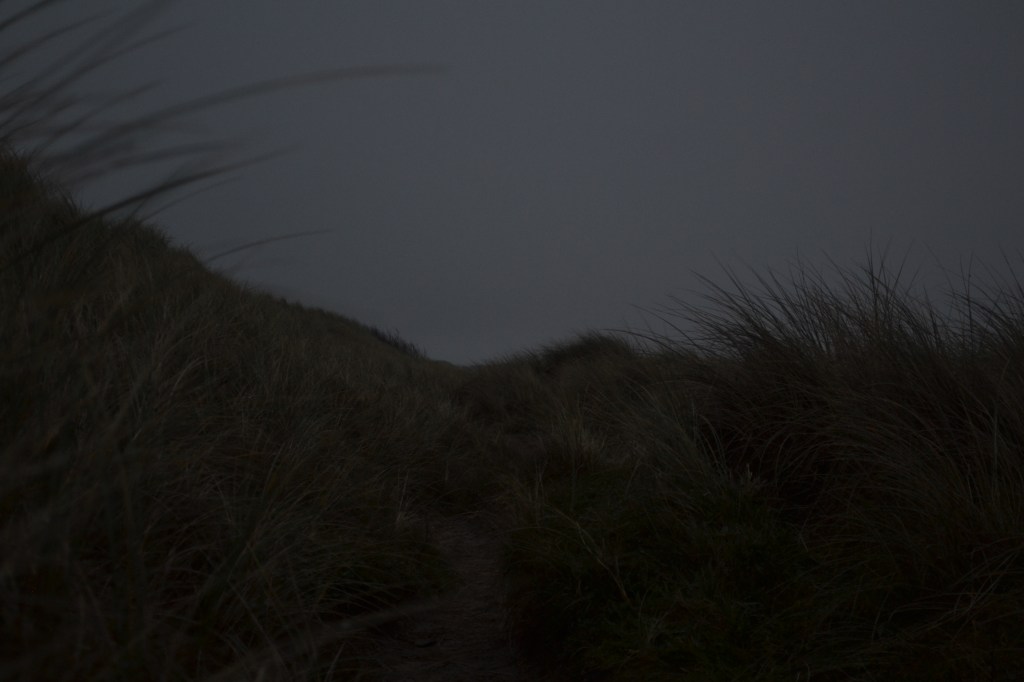
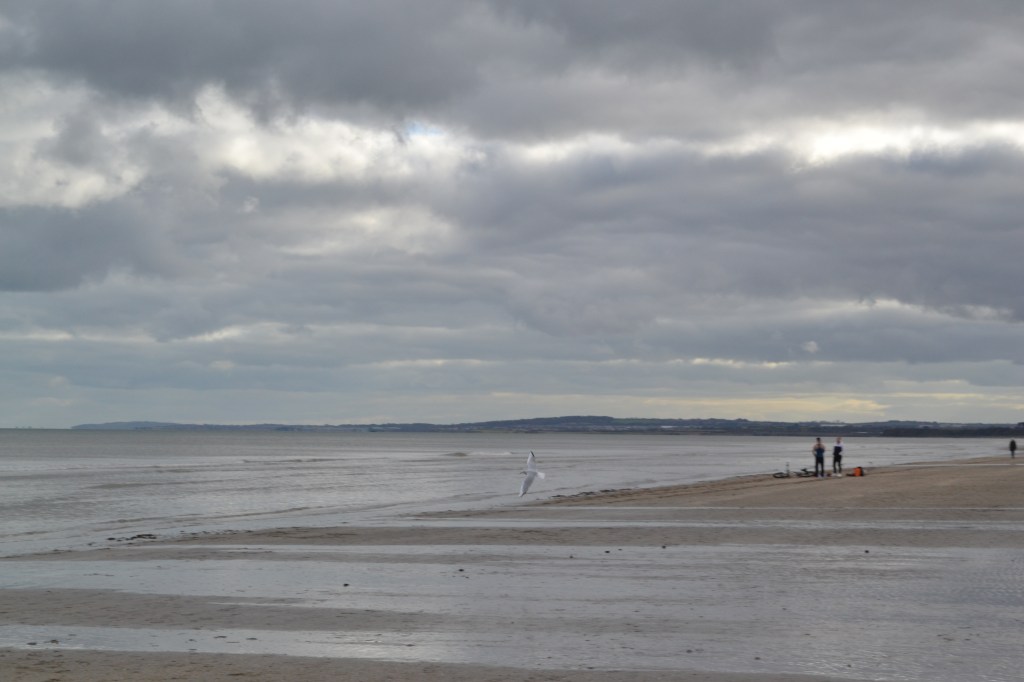
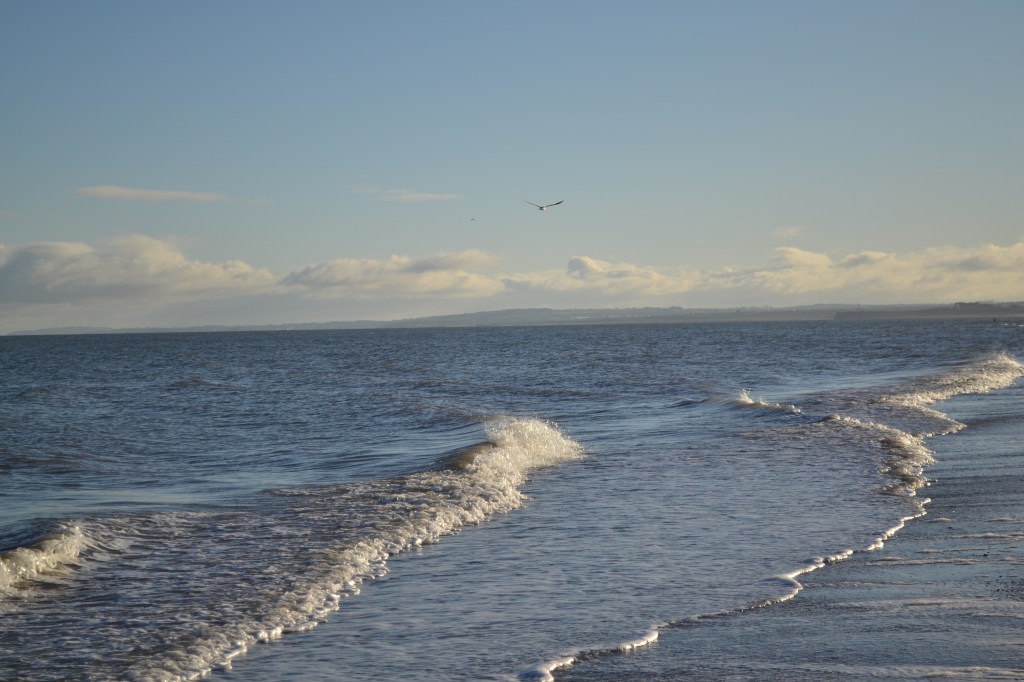
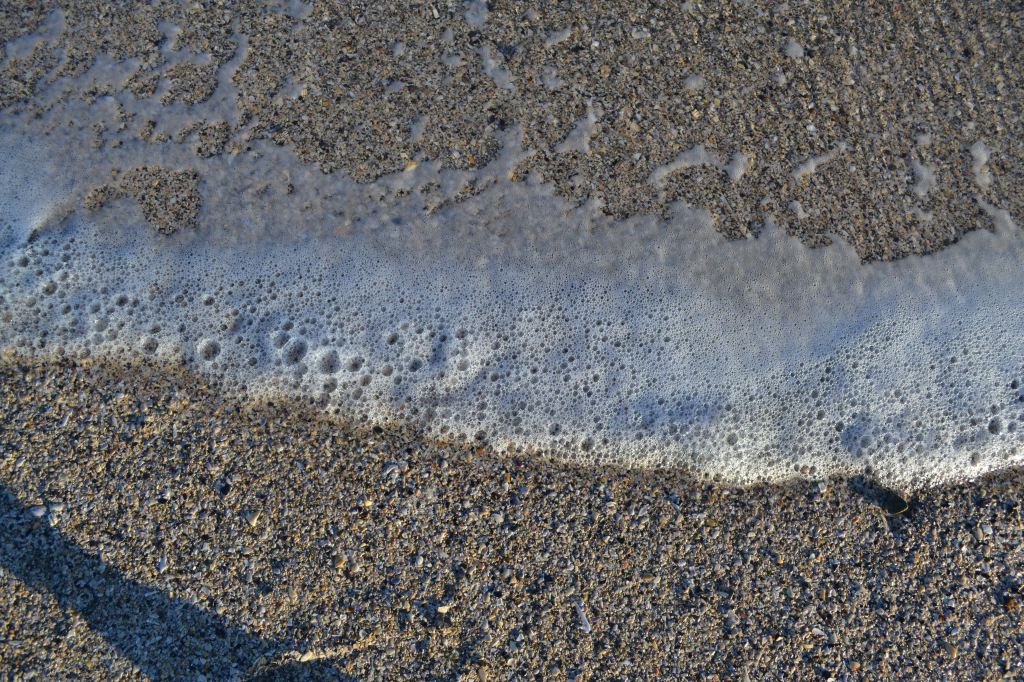
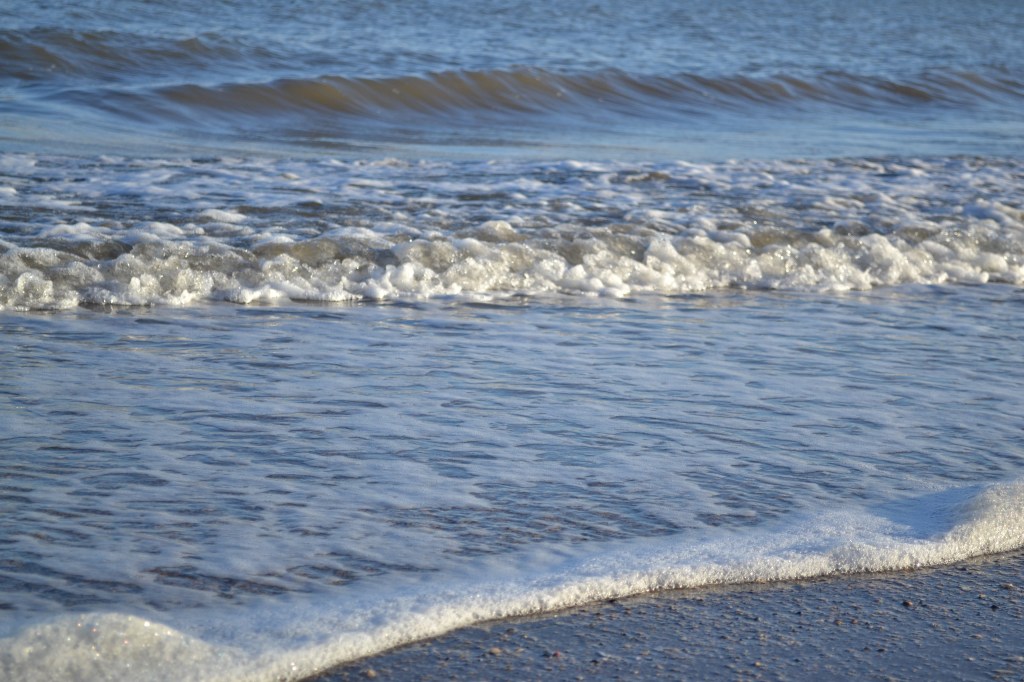
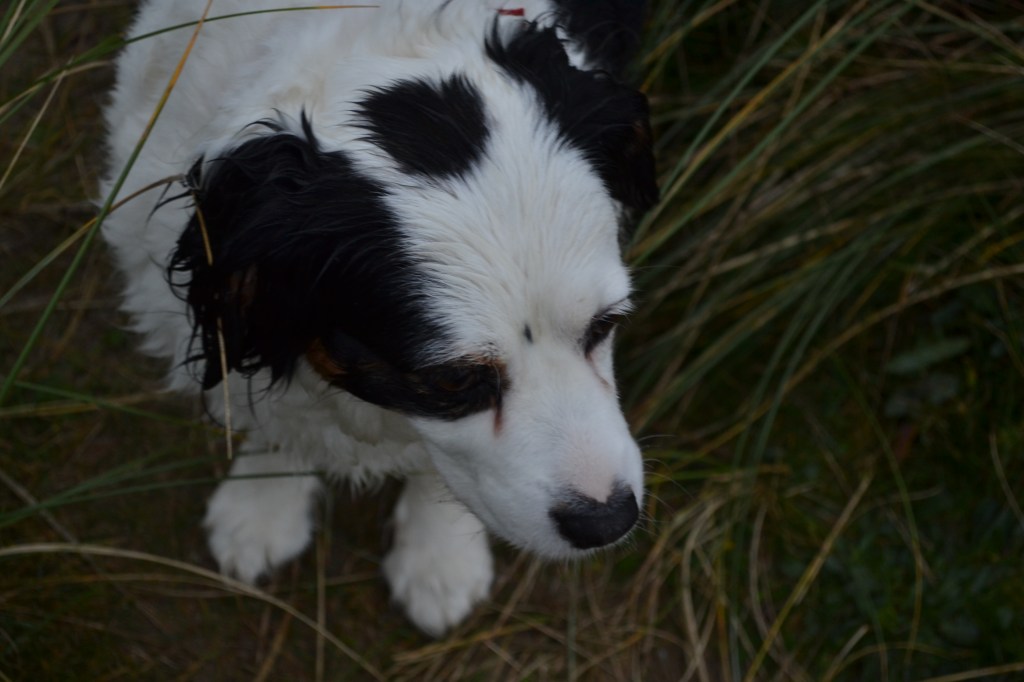
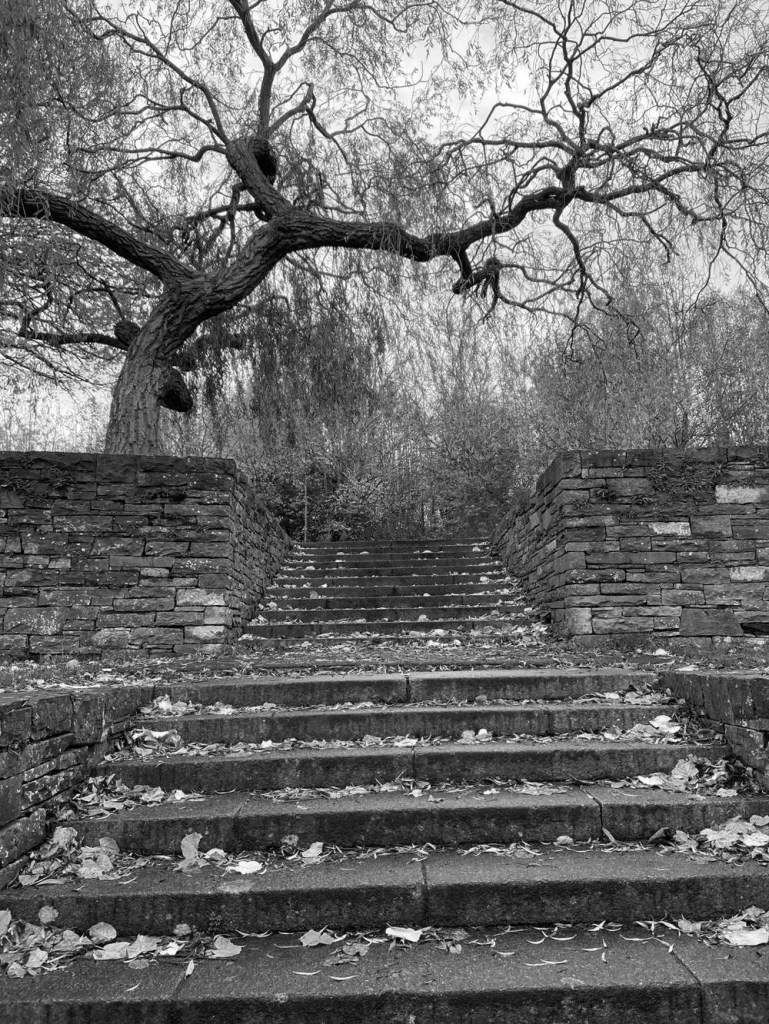
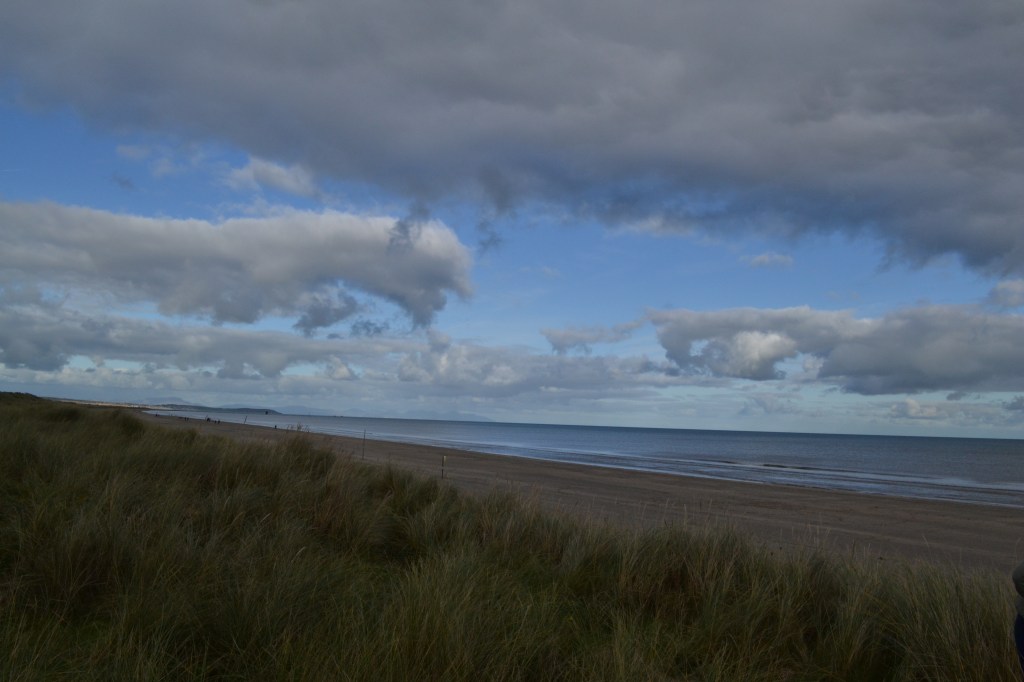
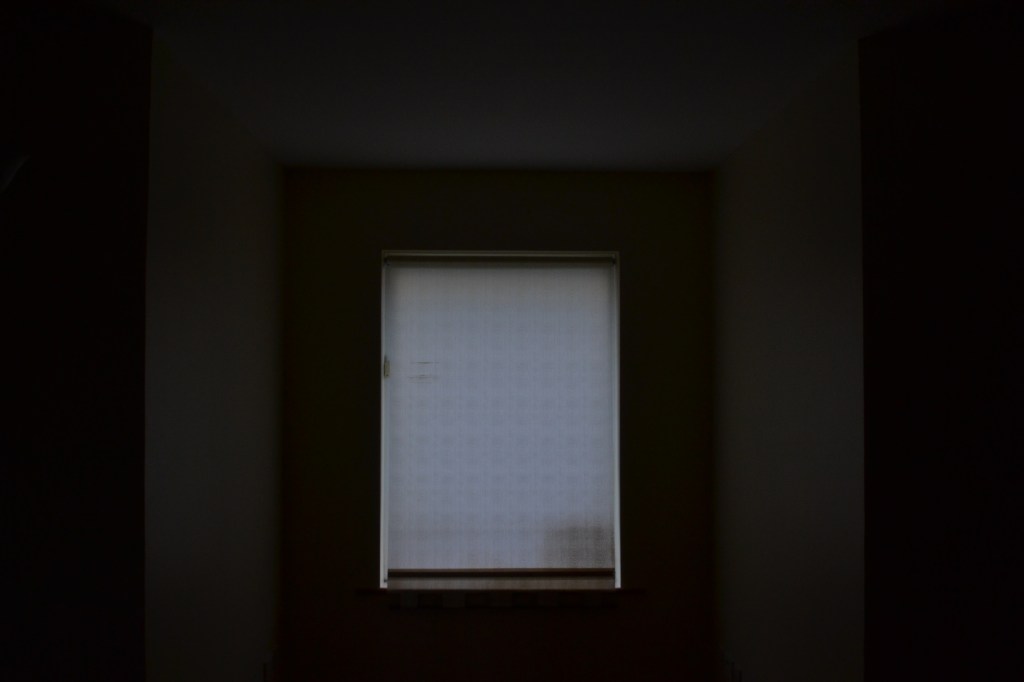
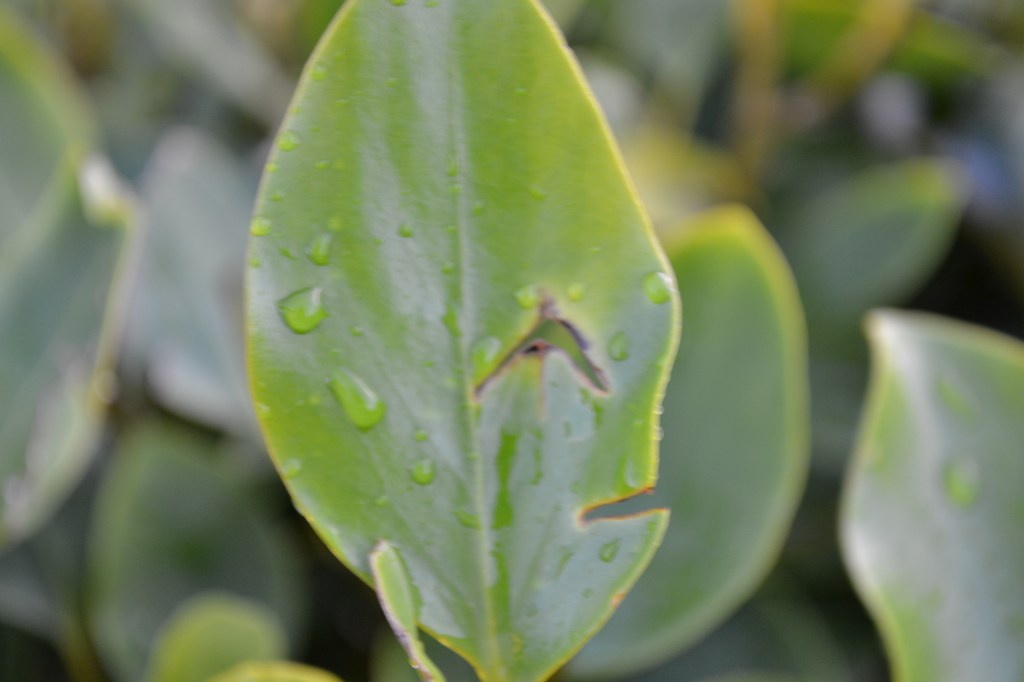
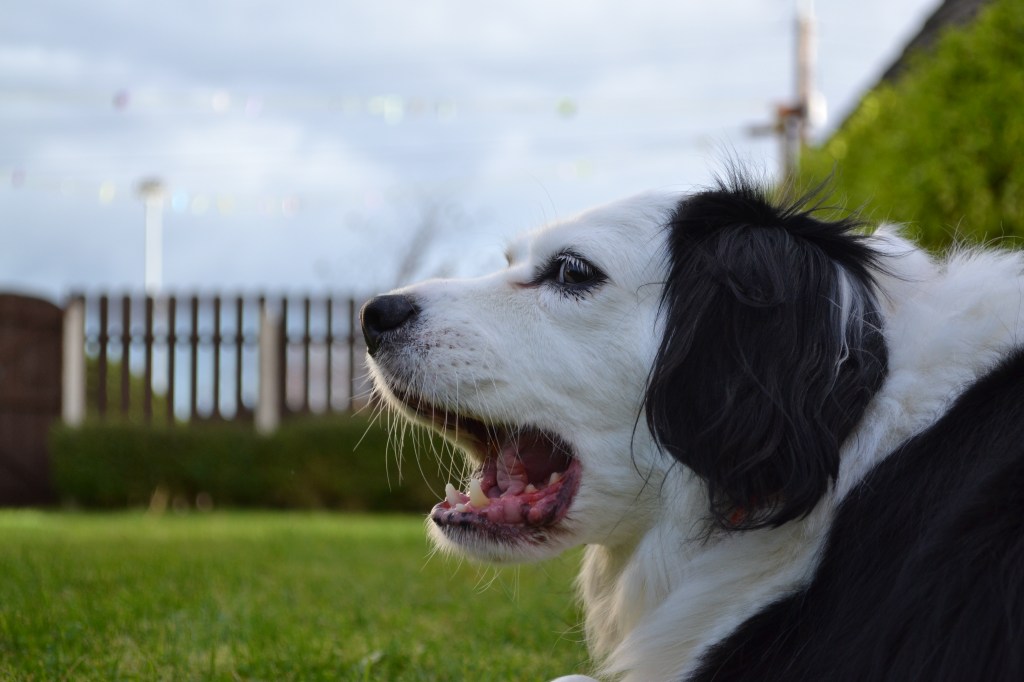
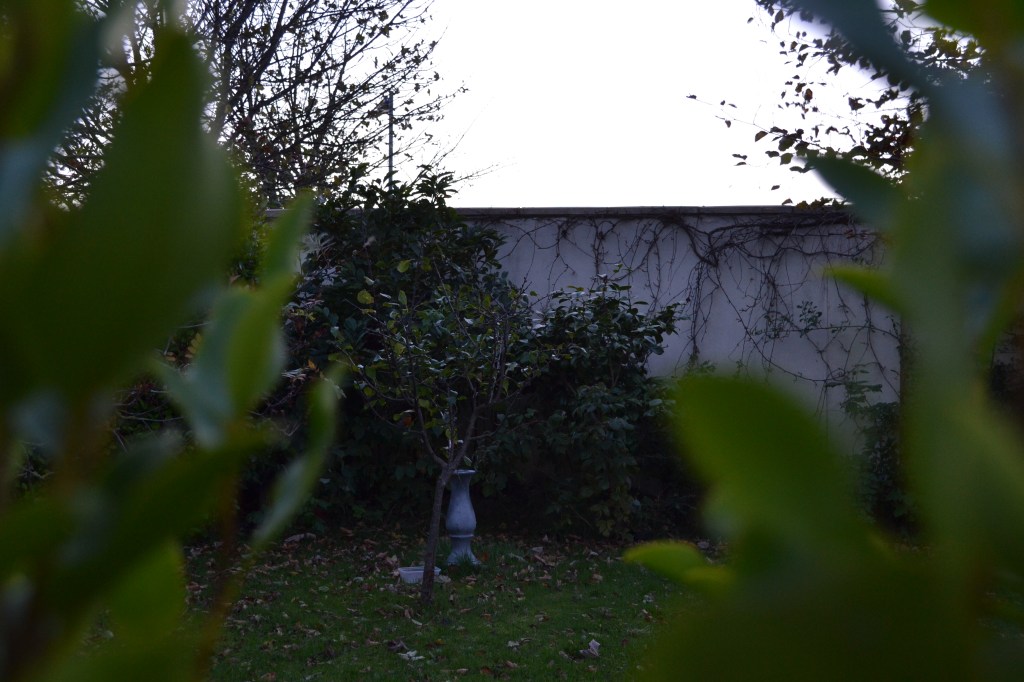
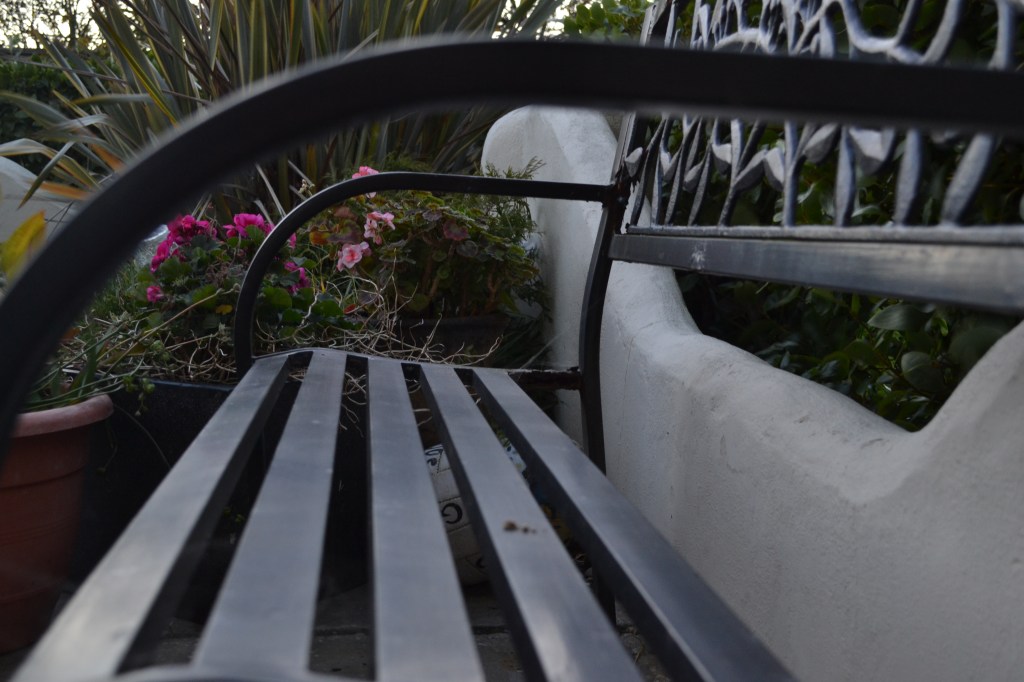
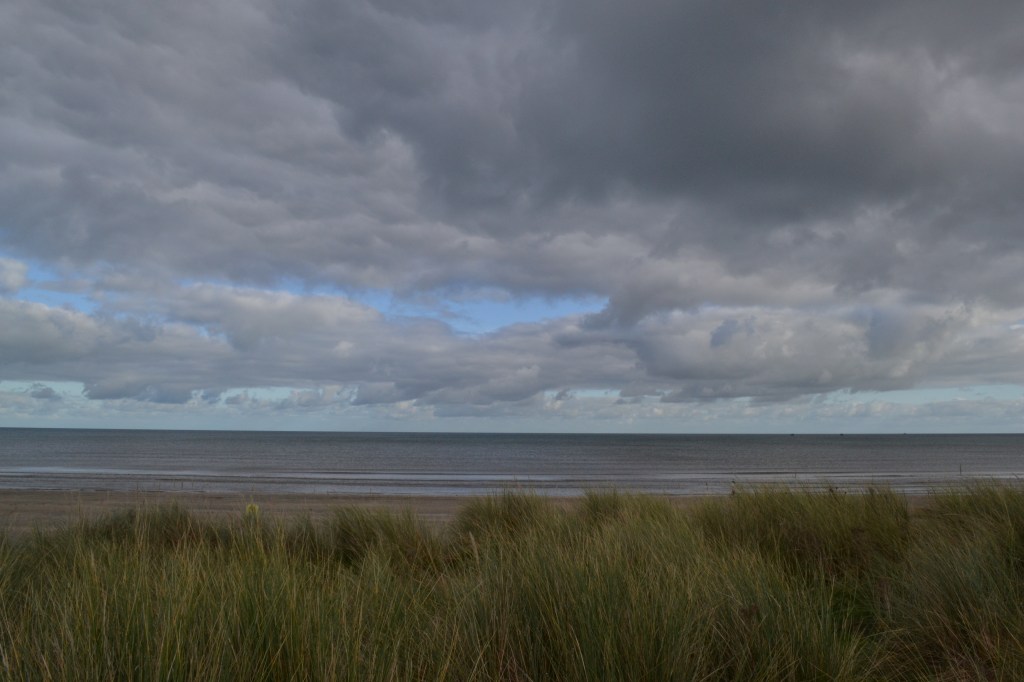
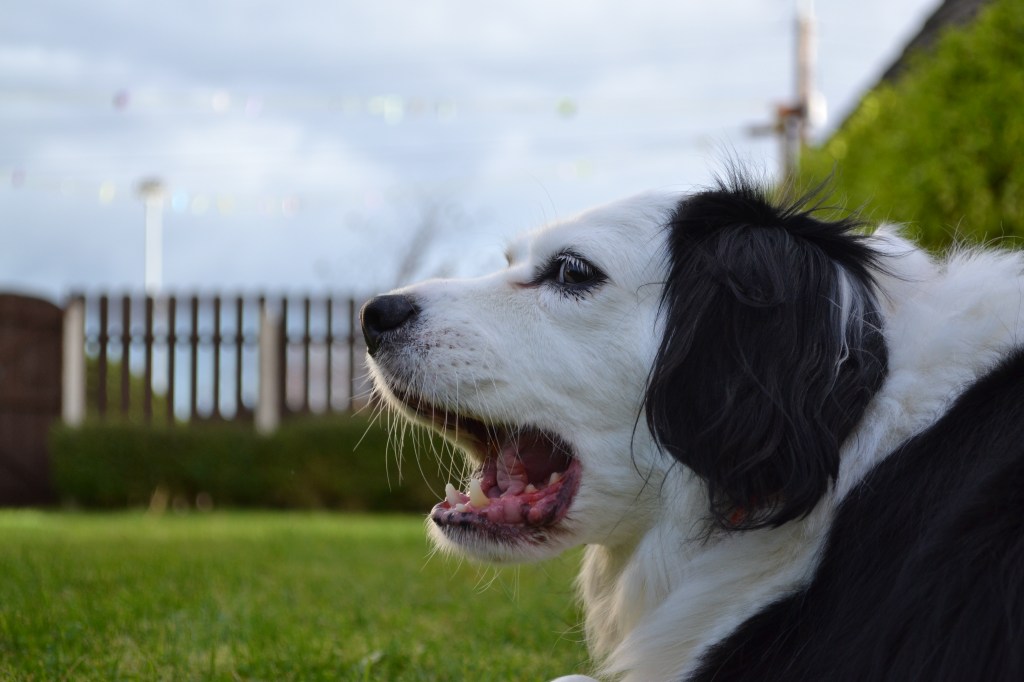
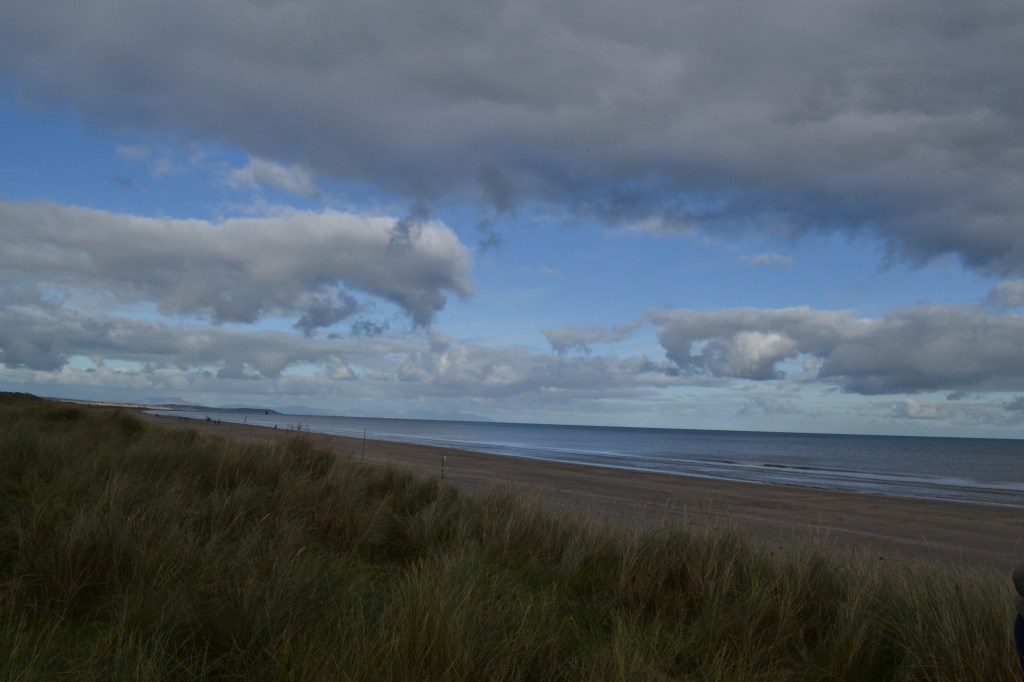
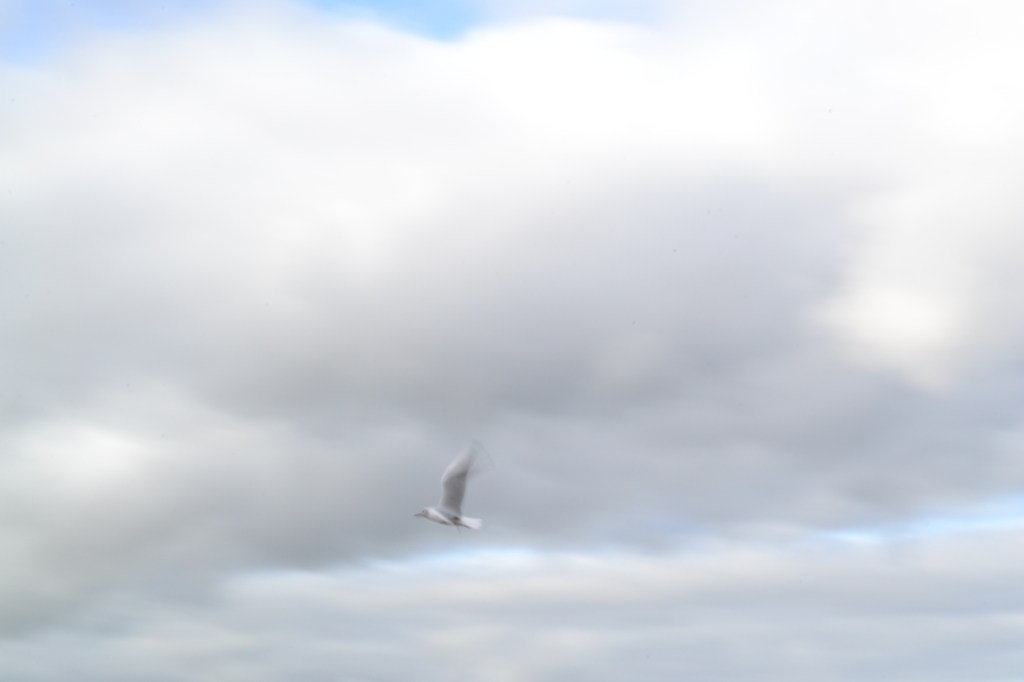
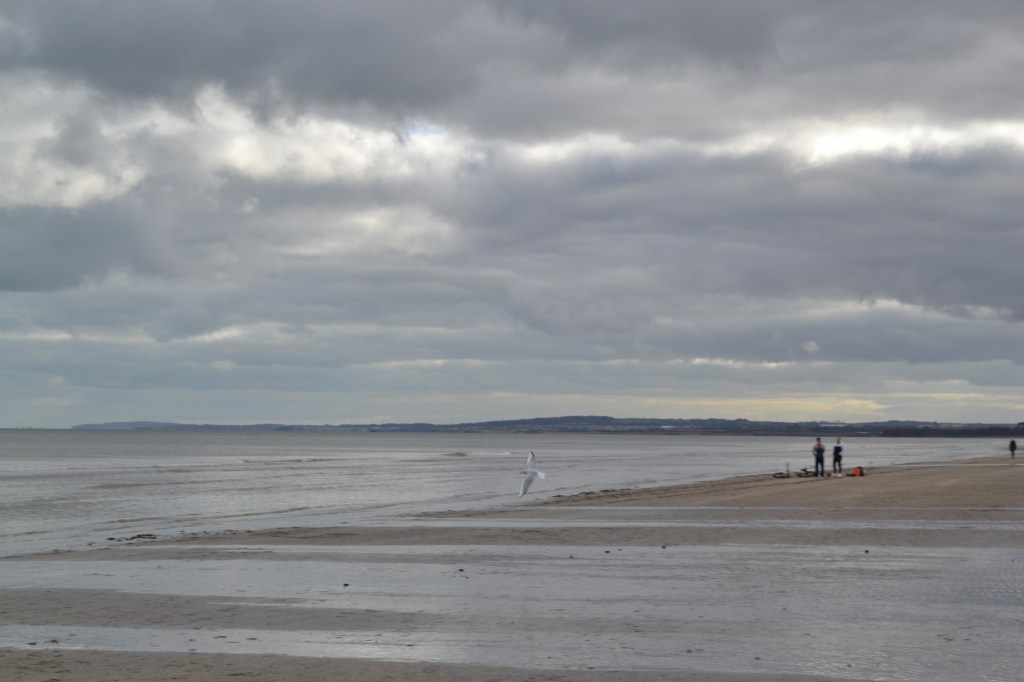
This first picture was captured at the highest point of the beach. At the time the beach was surrounded with a cloudy mist. I took this photo in this light I wanted to capture the beach when its not surrounded by people and I thought the mist added a feeling of the unknown.This picture was taken just after sunset. There was a small gap in the sand dunes that I thought made a beautiful frame for the sea.I took this picture as this tree was the only large piece of vegetation for miles. I thought its isolation in such a large space was an interesting thing to highlight.This photo was taken from the perspective of the small wildlife that live on the beach. I think it is important to see what different animals perspectives are on such a huge natural forceI took this close up picture as a child’s hat had been left on this tree and never retrieved since the days I had been walling there. this picture reminds me of a family beach day with children playing hide and seek. This marked their adventure.This picture shows the path into the unknown that I wanted to capture. Each new path takes you to somewhere you’ve never been before even though I’ve visited this place a thousand timesI took this picture to show the transition of the beach to land. This line of landscape marks the point that the beach starts and the land ends.This picture is taken from the perspective of your average walker on the beach, the people they see, the sounds they hear and the clear sky unpolluted by artificial light.I took this picture to capture the sounds and beauty of the sea in one picture. You can hear the blue waves crashing down and the seagull squawking in the blue sky. You can also see the huge mountains in the distance where the beach ends.This picture shows the end product of all the noise and the process of the sea waves releasing their tension. A beautiful white foam which adds a shine to the sea shells it washes over.I took this picture as I wanted to capture the full process of waves forming from beginning to end.I took this picture as my dog was my companion through all of experiences on the beach it is her favorite place to be and she is most relaxed when surrounded by nature.
The video opens with a news reporter by the name of Amy Goodman explaining that Facebook and other high tech social media companies planned to spy on android users. She goes on to say that we have entered a new age of capitalism called surveillance capitalism which is the leaching of our information by companies like google and Facebook. This information is then sold to advertisers and used as ways to entice us to buy products. She then invites a Harvard professor by the name of Shoshana Zuboff who explains this concept further. Shoshana explains to the audience that in many ways surveillance capitalism follows the same trends as industrial capitalism and other forms. For example capitalism is the taking of something and bringing it into the market dynamic where it can be sold as a commodity. Industrial capitalism turns trees into land and real estate. This is similar to surveillance capitalism but there is a dark twist. Surveillance capitalism is taking private human information, for free, analyzing it and turning the data into behavioral trends which they can sell to companies. Shoshana goes on to comment on the headline that Facebook are digital gangsters. She tells Amy Goodman that a parliamentary team in England understood what Facebook were doing and managed to get access to leaked files that hadn’t been reviewed by the public. Facebook had in fact been taking people’s personal information for no price and selling it to companies. Shoshana acknowledges the positive outcry from the public against Facebook but urges them not to look at surveillance capital as just a few companies or sights. She wants people to realise that the smart cars, watches and tv’s that you use have all been finely tuned to herd you in to certain behavioral patterns. There has been a global behavioral modification and most people don’t even realise or understand what’s happening to them. Shoshana believes it is an attack on human autonomy and causes a lack of human sovereignty. She concludes by saying all the apps that we use in our every day lives such as health apps and fitness apps, most of that data gets sent to huge companies primarily google and \Facebook to target our preferences when buying products related to that app. She finishes saying that they know so much more about us then we know about them.
Personally after listening to what Shoshana had to say I am not phased or shocked at the information she provided. Recently I watched the social dilemma on Netflix so I understand how much influence social media companies have in what information we see on their platforms. I found it interesting when Shoshana talked about surveillance capitalism as an economic logic that we are a part of. We have begun to accept that this is how digital media is supposed to behave and as people have not questioned it. I also found it interesting when she says that surveillance capital thrived while democracy slept. People in the private sector managed to absorb and sell all this private information without anyone saying no. personally I think many more policies and laws have to be introduced before digital media can be an efficient outlet that doesn’t steal aspects of personal growth and identity.
The representation of the hiroshima bombing was filtered down to not look as grotesque in western media but Japanese photographers took photos of burn victims of the bombings showing exactly what the bombs did.
4.
Time, 2020
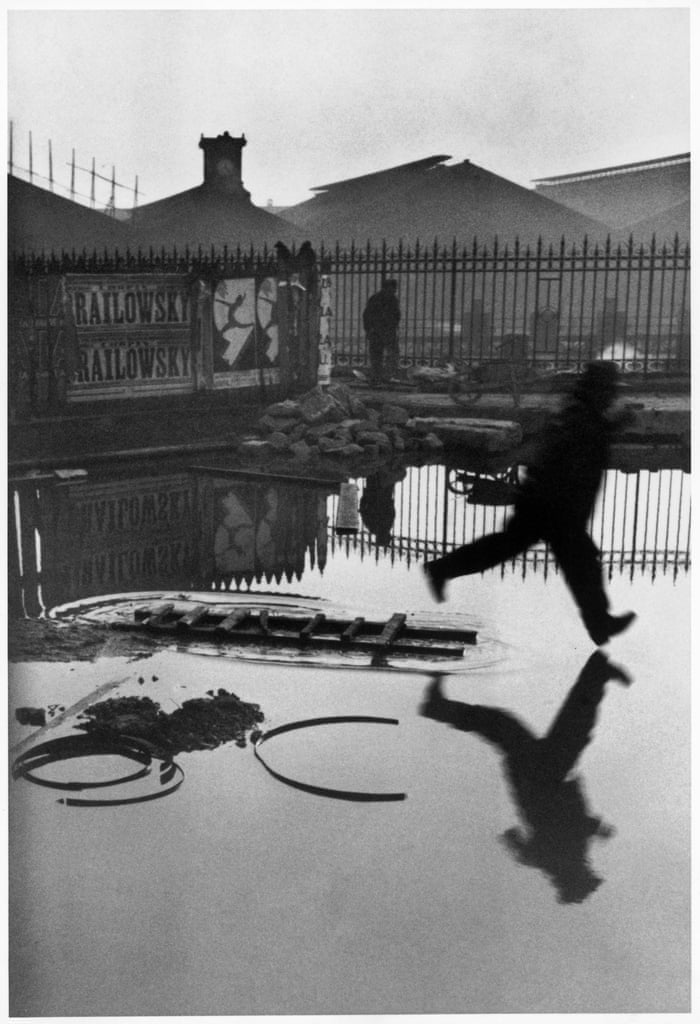
Magnum photos was formed in 1947 by Robert Capa, Henri Cartier- Bresson, George Roger and David Seamore. Magnum photos was created so photographers could take their own photos without the influences of magazines. Photographers also kept the copyright of their images.
(B)
99
14
8
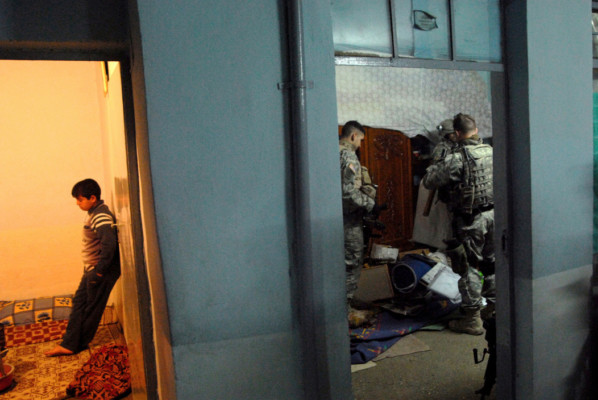
Peter van Agtmael, Mosul, Iraq, 2006
Peter van Agtmael captures eye opening images of soldiers at war and the people they effect around them. I Chose this photographer as I enjoy the truth in his photography. He doesn’t try to shield his audience of what he’s trying to convey instead he gives them a raw insight into the effects of war.
(C)
This article discusses the problems with photojournalism in Africa. The author of this article M Neelika Jayawardane begins her piece saying that she winces whenever Africa is the headline of any mainstream US or European media outlet. She explains that anytime Africa is mentioned it is followed by disappointment and resignation on Africa’s part. This article explores this and many other problems regarding the representation of photographers in Africa and the issues surrounding their depiction in western media. The biggest problem is the barriers local photographers face in getting attention from international news agencies. The author says that even today well regarded international news outlets choose photos and narratives that speak to ideas held by white ex-colonists and and plantation owners in America. Because of this the construction of the image of an African in people’s minds is still one of a child-like character who lacks intellect and whose home is one of savagery and devastation. Even though these top tier western media outlets want local people to photograph Africa to offset costs in their eyes the African photographers don’t compare to the western photographers. How are these African photographers supposed to branch out from their countries if they are constantly held to racist stereotypes created in media outlets on the other side of the world. Even influential news outlets such as the New York Times who published an article asking “Who is telling Africa’s stories” trying to raise awareness on photojournalism in Africa are subject to underlying racism. Months before publishing this story they published a story about African migrants who had attempted to cross the Mediterranean to reach Europe. Many of the migrants died and the survivors were described as “stepping over the dead on a migrant boat”. They wrote the story in a way that depicted the survivors as inhumane for attempting to reach safety. This culminates the problems surrounding photojournalism in Africa. Even a media outlet who is creating exposure for problems regarding photojournalism in Africa has underlying racism within it’s organsation.
(D)
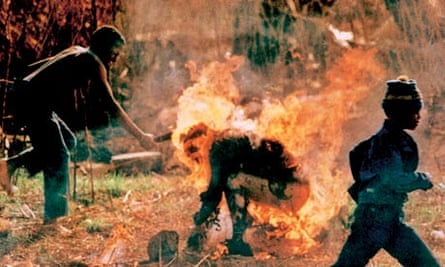
Greg Marinovich, Soveto, 1990
I chose this photo/story as I could feel the guilt this photographer felt when taking these photos. The words he uses accompanying the image creates an extremely evocative and clear image in my head. This story really impacted me greatly upon reading and made me feel like I witnessed it for myself
I chose Pieter Hugo’s photography as when first viewing his photography I was attracted to the realistic view he brings to his photos. For example, he captures extremely raw photos of people in his home of Cape town in South Africa that evoke a lot of emotion in his viewers.
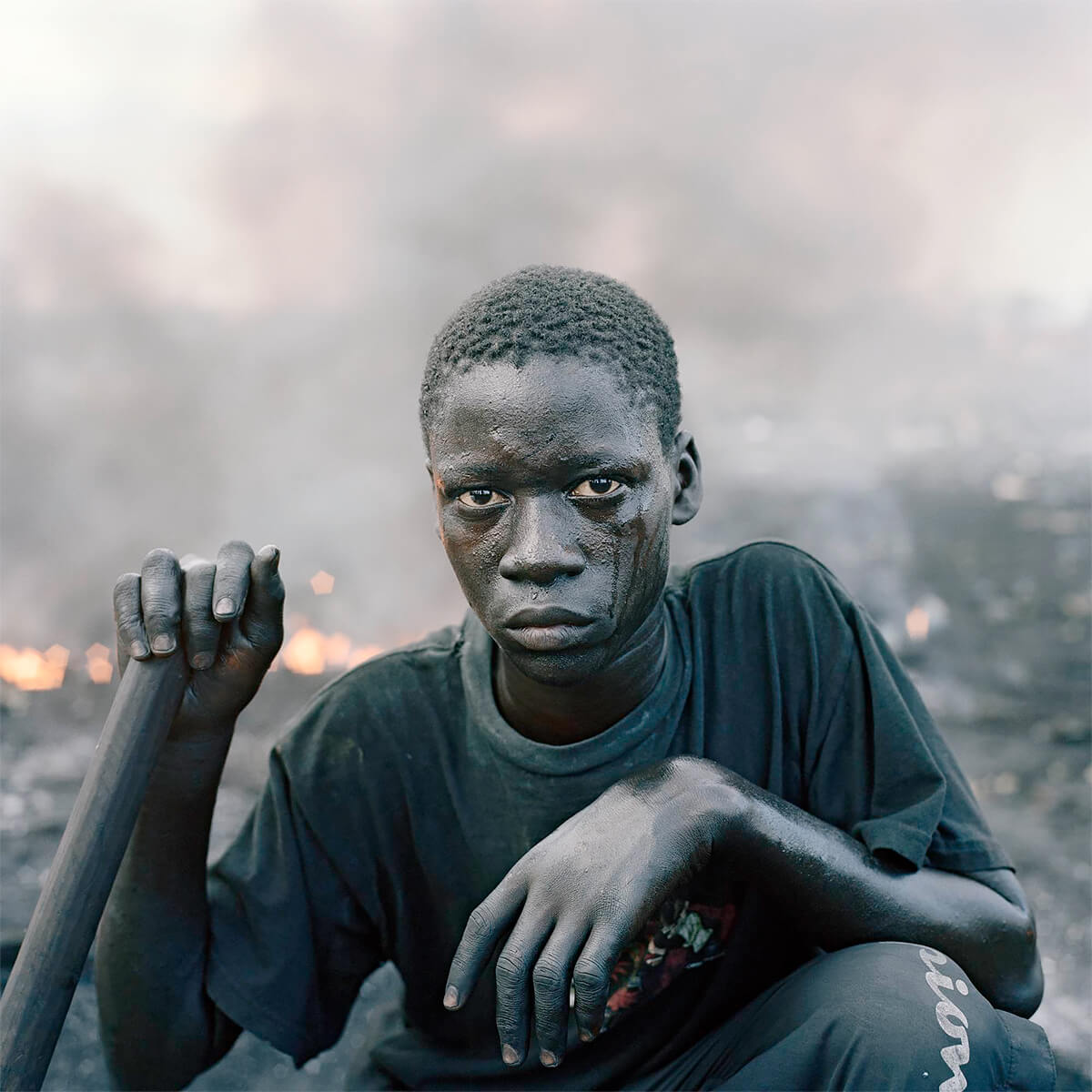
From the series Permanent Error, Untitled, Agbogbloshie Market, Accra, Ghana, 2010
This photo taken by Hugo is extraordinarily impactful for his viewers. We get a close-up picture of a young child who is crouching infront of a burning wreckage. Hugo highlights the poverty and struggles of people in his country in this powerful photo. He zooms in on the subject to show his hopeless facial expression and the beads of sweat dripping down his face. The background is blurred so we can just see the orange glow of the fire burning in the back and plumes of smoke blurring our vision of the area behind the subject. He blurs the fire so we focus on the subject infront of us but we still understand the ferocity of the subject’s environment. He uses the smoke to add focus on the subject further so the audience is forced to look at the intense eyes of the child.
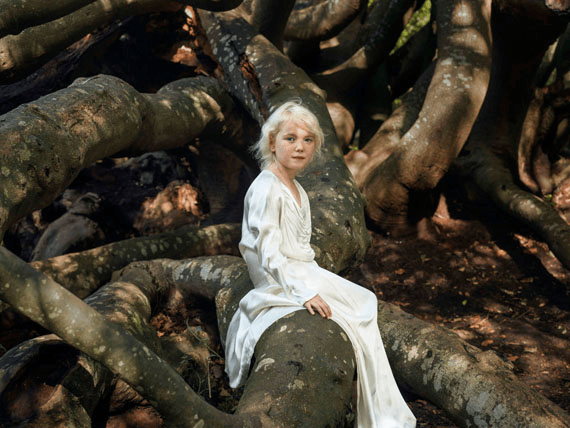
Pieter Hugo Portrait #15, South Africa, 2015, 2015
This next photo from Hugo is extremely thought provoking. I chose this as Hugo uses all the aspects of purity in contrast to that of darkness. His subject is a small, blonde, blue eyed child who is wearing an all white gown. He uses a child to represent purity and innocence, her blue eyes creates intense imagery of the sea and the sky both strong representatives of freedom. He pits his subject on top of darkly coloured tree with little light shining on it. He does this to show the contrast between the subject and the tree, the contrast between light and dark both physically and visually. The darkly coloured tree’s logs reach out like tendrils of darkness trying to leech away the subject’s innocence and all the positive aspects of life she represents in this photo.
South Africa 1976
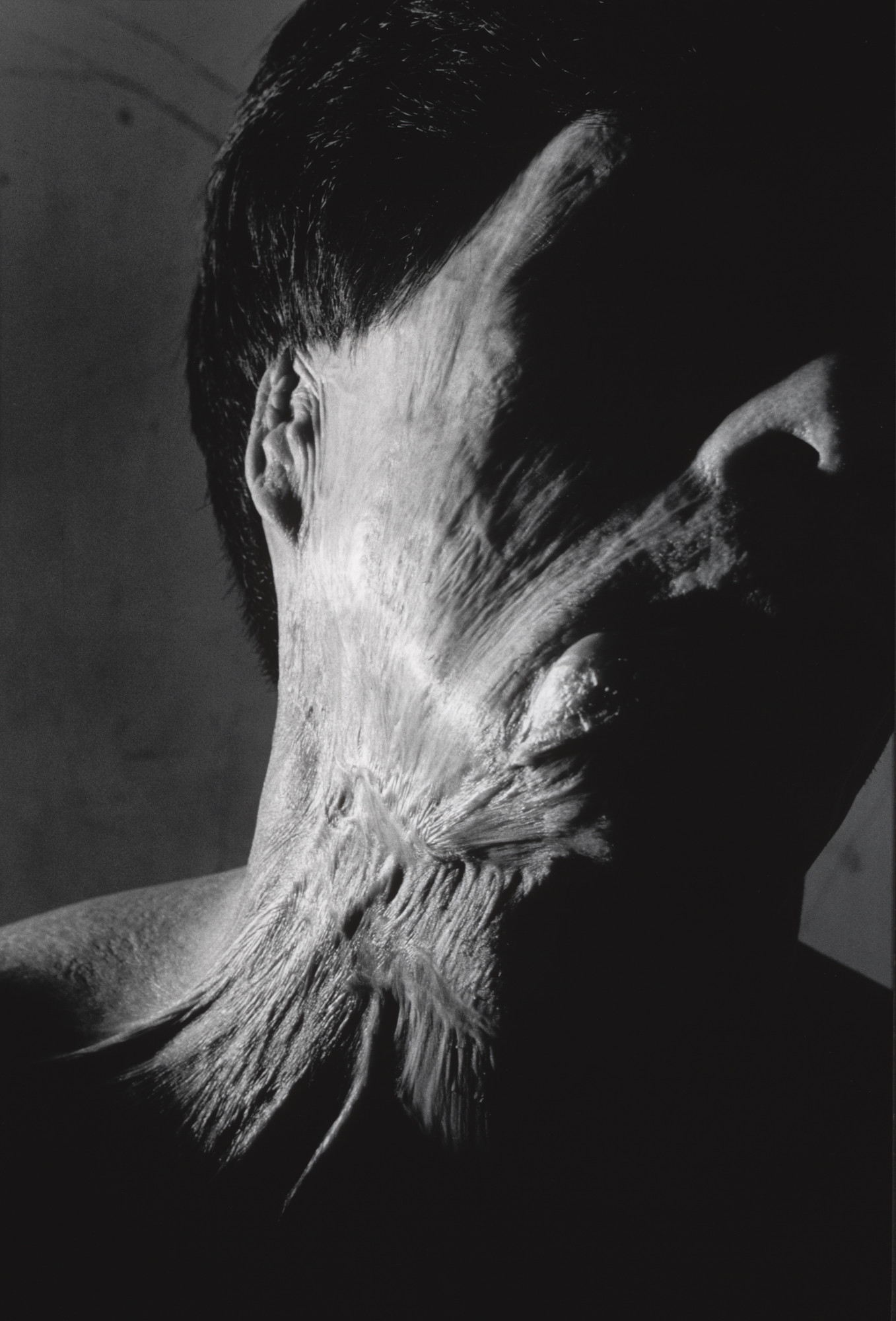
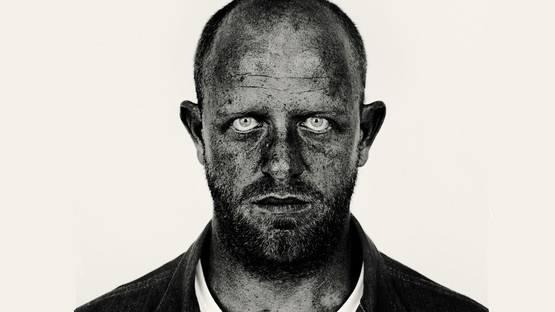
The final photo I chose from Hugo is this black and white portrait of a man with all the textures on his face amplified. I was attracted to this photo because it highlights the piercing eyes of the subject. Because the grains and textures of the subject’s face are so dark it makes the audience focus on the subject’s eyes more so. They are strikingly bright compared to his skin and convey a beautiful image
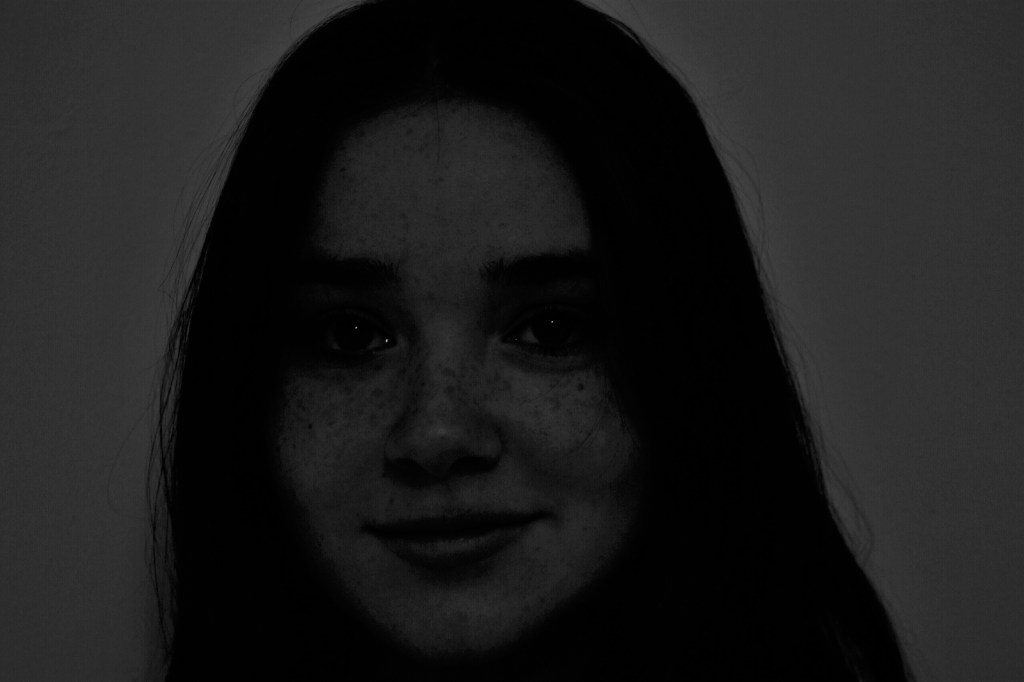
I replicated Hugo’s previous photo with this one. I highlighted the grain and texture to replicate the colours on the subject’s face
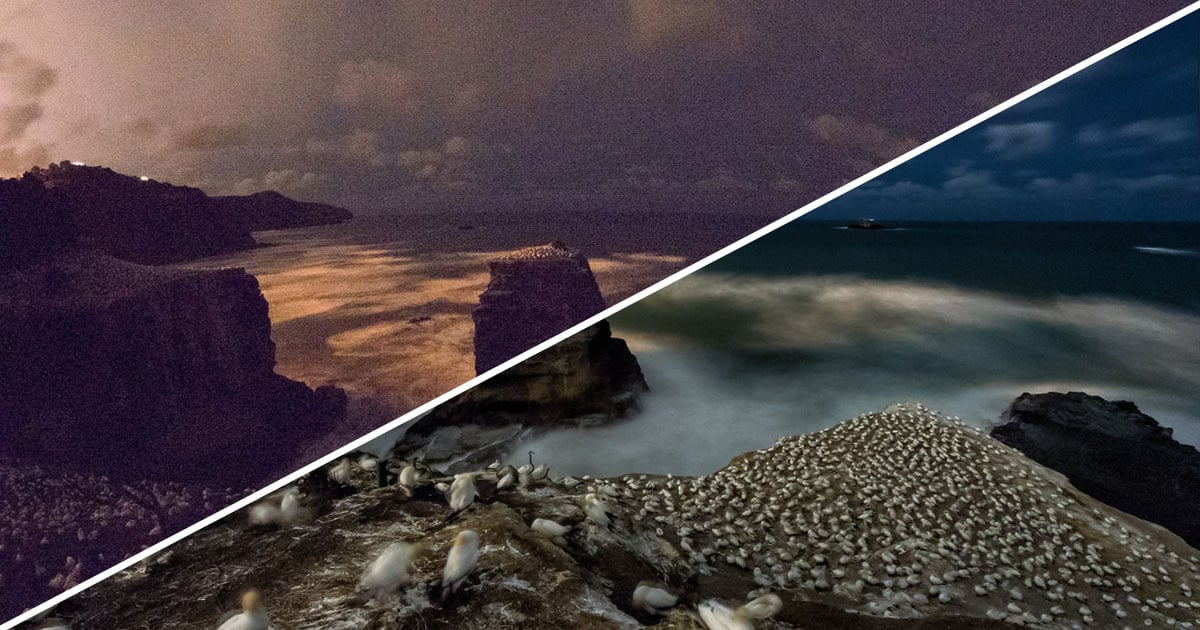
My name is Aaron Lynch I was born and raised in Bettystown, co. Meath, Ireland. I am nineteen years old and am currently studying communication studies in DCU. My hobbies include playing Gaelic, soccer and tennis. I also enjoy watching films, reading books and going for walks on the beach. The subject I have chosen for my photography project is Nature. I am going to showcase the beauty of the scenery and landscape in my small town. I will also include my favourite locations of nature. My photos will mostly be captured on the beach which is five minutes away from my home. It has striking sand dunes and a glimmering sea front. It boasts amazing shrubbery and a landscape which has been beautifully sculpted by the waves. At the end of the beach there is also a bay where fishing boats come into dock. This gives me numerous opportunities to take advantage of the scenery in my area. The majority of my photos are going to be taken over the month of November. Weather permitting, I plan to get out on the weekends at various times of the day to take my photos. I am going to capture different aspects of nature under the different lights of morning, day, evening and night. I want to capture nature at different times of the day to show how it changes due to weather and lighting. I chose nature as my subject for this project as It makes me happy to find small pieces of beauty in everyday life. I love to see the sunset falling in the evening, bees sucking the pollen from flowers or blue waves crashing down on the sea floor. I care a lot about this project as the things I love most in my life happen in nature. Nature has kept me extremely positive during the Covid-19 pandemic, so I want to show people how great it is to raise their spirits during their lockdown experience. I will be using a Nikon DSLR camera for this project. Most of my photos will be taken in colour as I want to capture all the vibrant tones of nature but I will take a minority of my photos in black and white to show the beautiful contrast between light and dark in my town’s landscape. To engage fully with my subject, I am going to spend a day exploring all the different areas of my village to see where I want to capture my photos. When I have done this, I am going to make an itinerary incorporating all the different locations that I have researched and allocate them a time slot for shooting. As I am shooting in public spaces and not taking pictures of people, I do not require any permissions for this project. This gives me the freedom to experiment with different techniques and styles that I desire and gives me the time to take as many photos as I want. I have attached an image below as an example of what my photos will be like.
This project is about a photographer by the name of Jadwiga Bronté who helps incarcerated mothers in Moldova make joyful family photos with their children. I chose this project as I believe this is a beautiful idea by the photographer. She brings positivity to such a negative place and helps these mothers and children have memories together that they can look back on in the future.
This project was about documenting the isolated and not well-known tourist resort called Awaza in Turkmenistan. These photos were taken by a Bulgarian photographer by the name of Konstantin Vulkov. I chose this project as I found the photos extremely eerie and ominous. I was fascinated to hear of a place that had ultra-modern skyscrapers and 5 star hotels which are mostly empty. The photography conveys the emptiness reported by Konstantin when he visited there. I was interested to hear that Konstantin was forbidden from taking pictures on his way to Awaza. He believed that this was because they were hiding the true poverty of Turkmenistan on his way from the airport.
This project is about capturing all the beautiful landscapes across Russia that even it’s natives might not know about due to the sheer size of the nation. The photos in this project were taken by a series of photographers but this photo in particular was taken by Maria Pokrovskaya. She took this photo at the top of “Bear’s stream” in Norlisk in the North of Russia. I chose this project as it shows all amazing scenery around Russia. The difference in landscapes between photos shows the huge variability in Russia’s scenery. This project leaves the thought of discovery and imagination for anyone viewing it.
Shallow depth of fieldGreat depth of fieldSlow shutter speedFast shutter speed
Panning
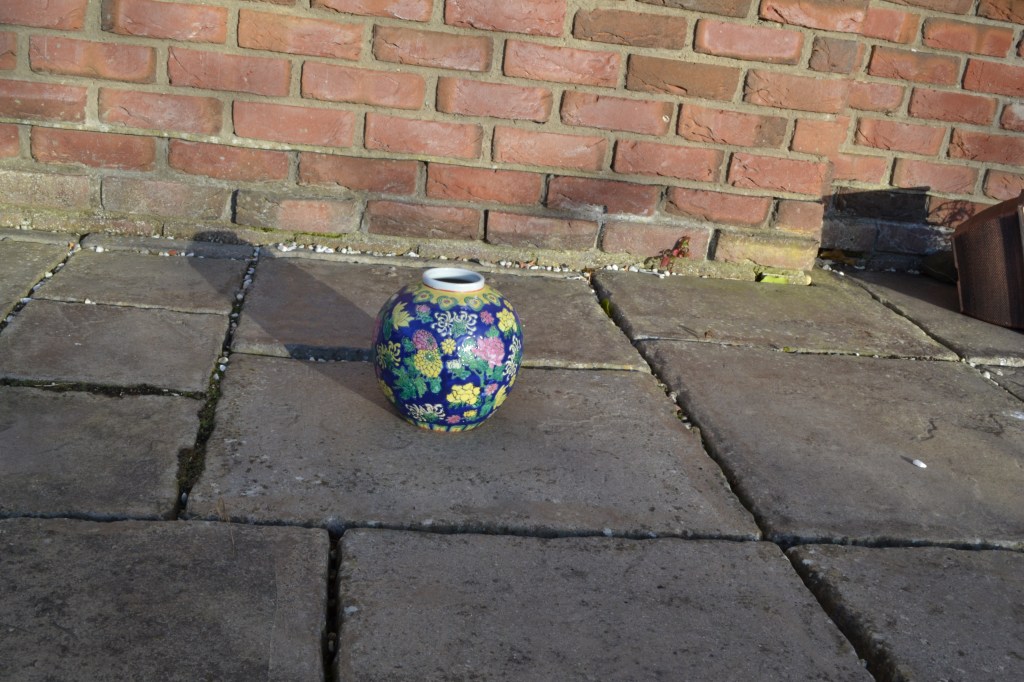
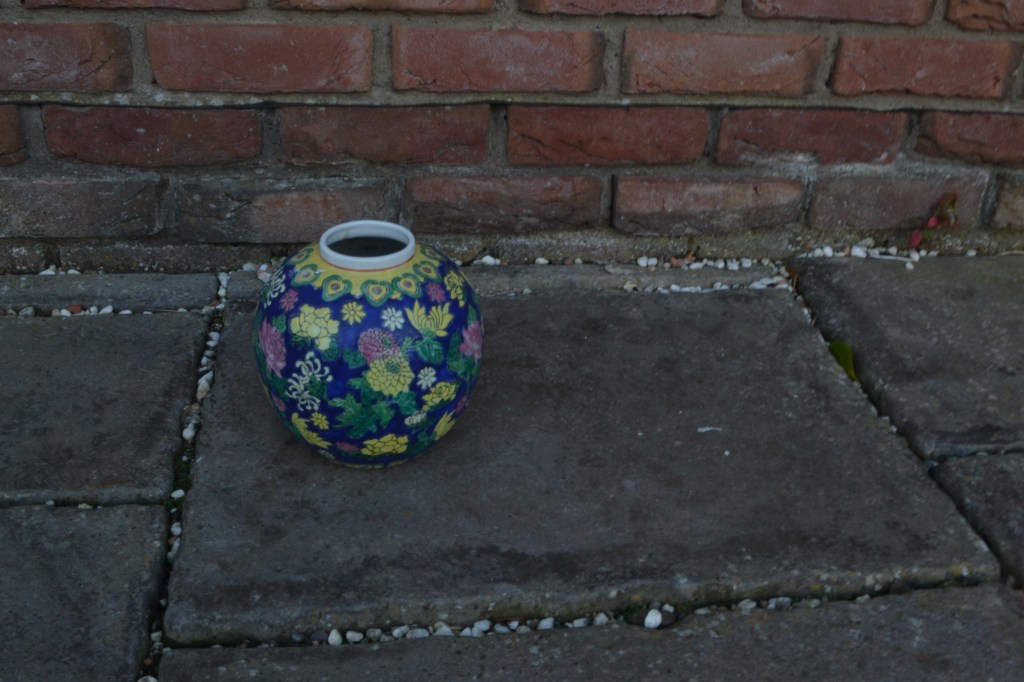
How do you achieve shallow depth of field on a DSLR camera? To achieve a shallow depth of field on a DSLR camera you need to set the F-stop to the lowest number possible on the camera you are using. You will then need to use large focal lengths and focus on the part of the subject you want to be perfectly shop.
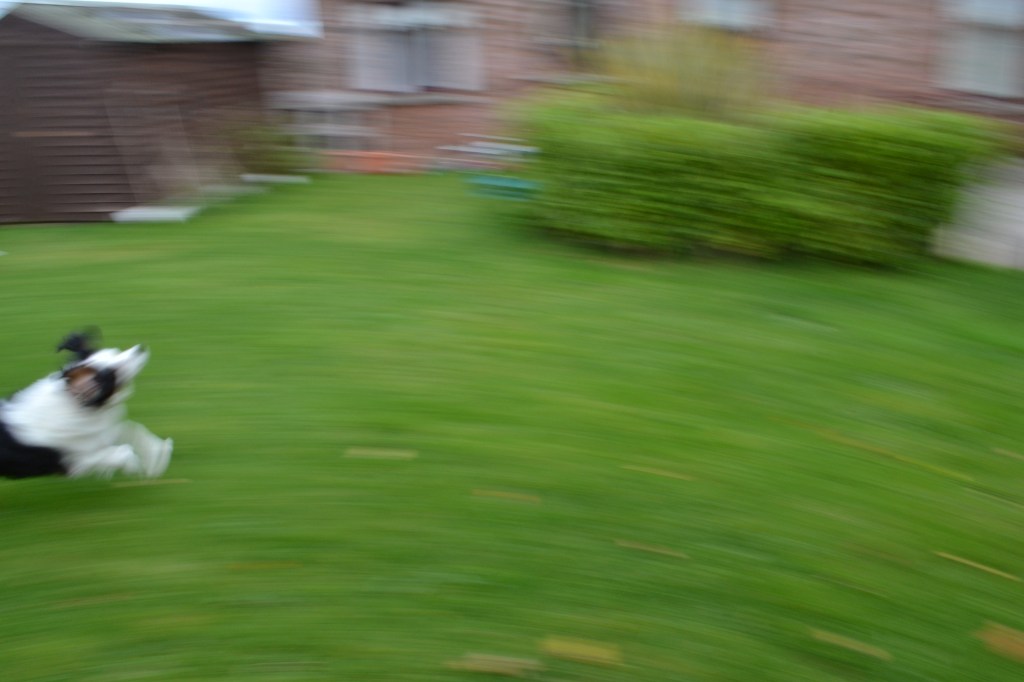
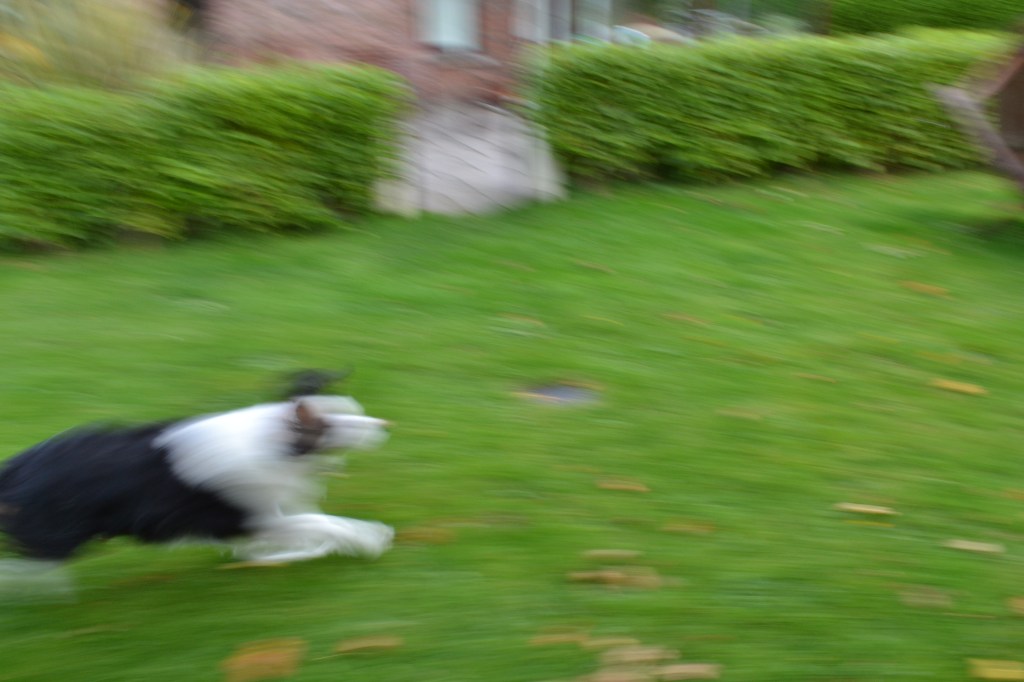
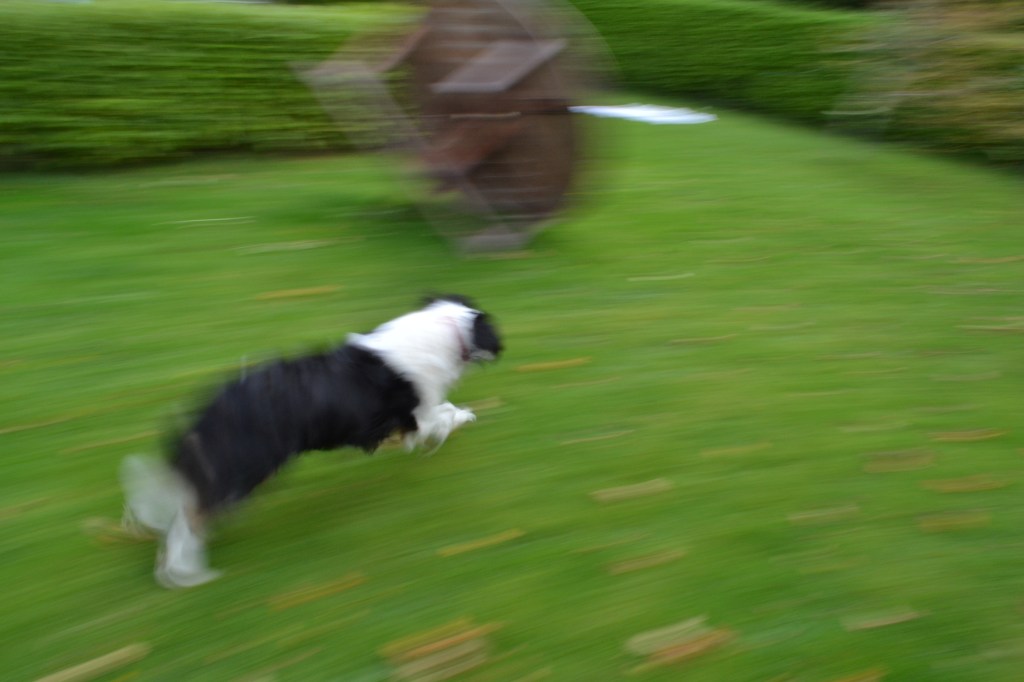
How do you achieve the panning effect? You need to set your cameras shutter speed to 1/20, you then need a fast moving subject e.g. a bird or car. Move along with your subject and press the shutter button at the same time to achieve the panning effect
High ISO photography by Charles Brooks
3. What is ISO? ISO is a setting on your camera that allows you to brighten or darken your photos. If you are taking photos in a poorly lit area you would use a high ISO. If you are taking photos in a well lit area you would use a low ISO
My name is Aaron Lynch I am 19 years old and I am a second year student studying communications studies in DCU. I was born and raised in Bettystown County Meath, a small town beside the sea. I have many interests and hobbies which mostly involve playing sport. I love to play Gaelic, soccer and tennis. I also enjoy swimming in the sea (when the Irish weather isn’t too cold!) and travelling to New places when I can




![Images of Africa in Western media often conform to racist colonial-era stereotypes about the continent, writes Jayawardane [Al Jazeera]](https://www.aljazeera.com/wp-content/uploads/2013/04/201341685941382734_20.jpeg?resize=570%2C380)


 CM206
CM206 